


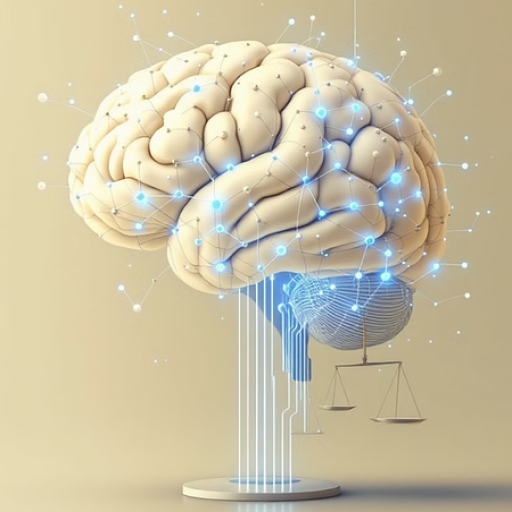
The future of autonomous systems depends entirely on advanced robot brain architecture. Modern robot brains combine multiple technologies: perception systems processing visual and sensor data, decision-making engines evaluating options and selecting actions, learning modules enabling continuous improvement, and communication systems coordinating with other robots and humans.
As AI robotics advances, robot brain architecture evolves toward modular, scalable, and adaptive designs. Cloud-based robot brains distribute computation while edge computing ensures real-time response. Federated learning enables robots to improve collectively while maintaining data privacy.
The next generation of autonomous systems will feature self-improving robot brains that learn from experience, adapt to new environments, and collaborate with human teams. This represents the frontier of AI robotics innovation.


